Alteryx One, re-architect a hybrid platform for data analysts

Zero-to-one information architecture design to overhaul the navigational framework of a hybrid platform for data cleaning and analytics.
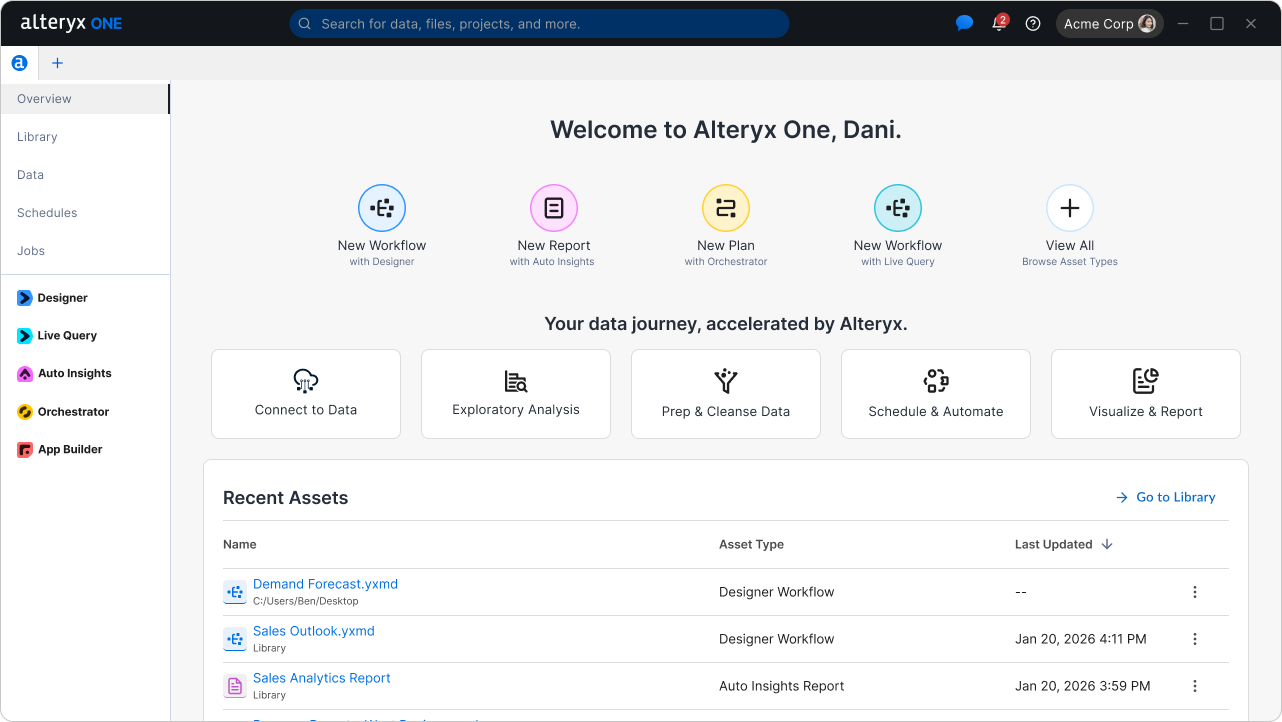
Alteryx provides enterprise tools for business analysts to automate data preparation and analysis without code. Over decades, Alteryx accumulated fragmented tools that don’t share the same mental model and operate in different ecosystems. Alteryx One emerged as the business strategy to consolidate all offerings into a holistic experience to improve adoption. This project is to design the new consolidated experience from zero to one.

My role

Team Lead, Architect

Worked with

2 designers, 1 researcher, 1 PM director & 2 tech leads

Time

6 month, 2025

The problem

Fragmented tools in different ecosystem result in poor adoption.

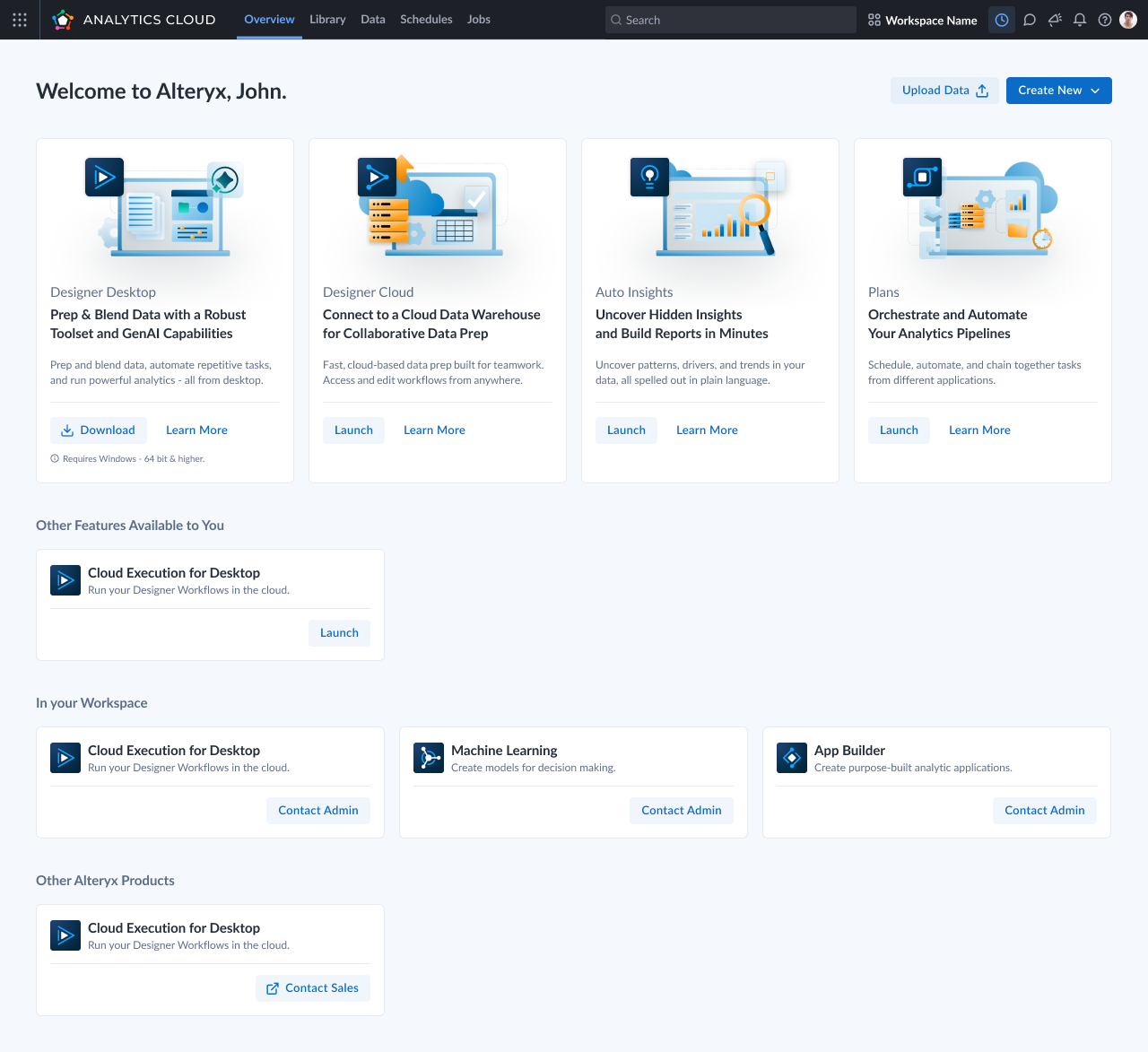
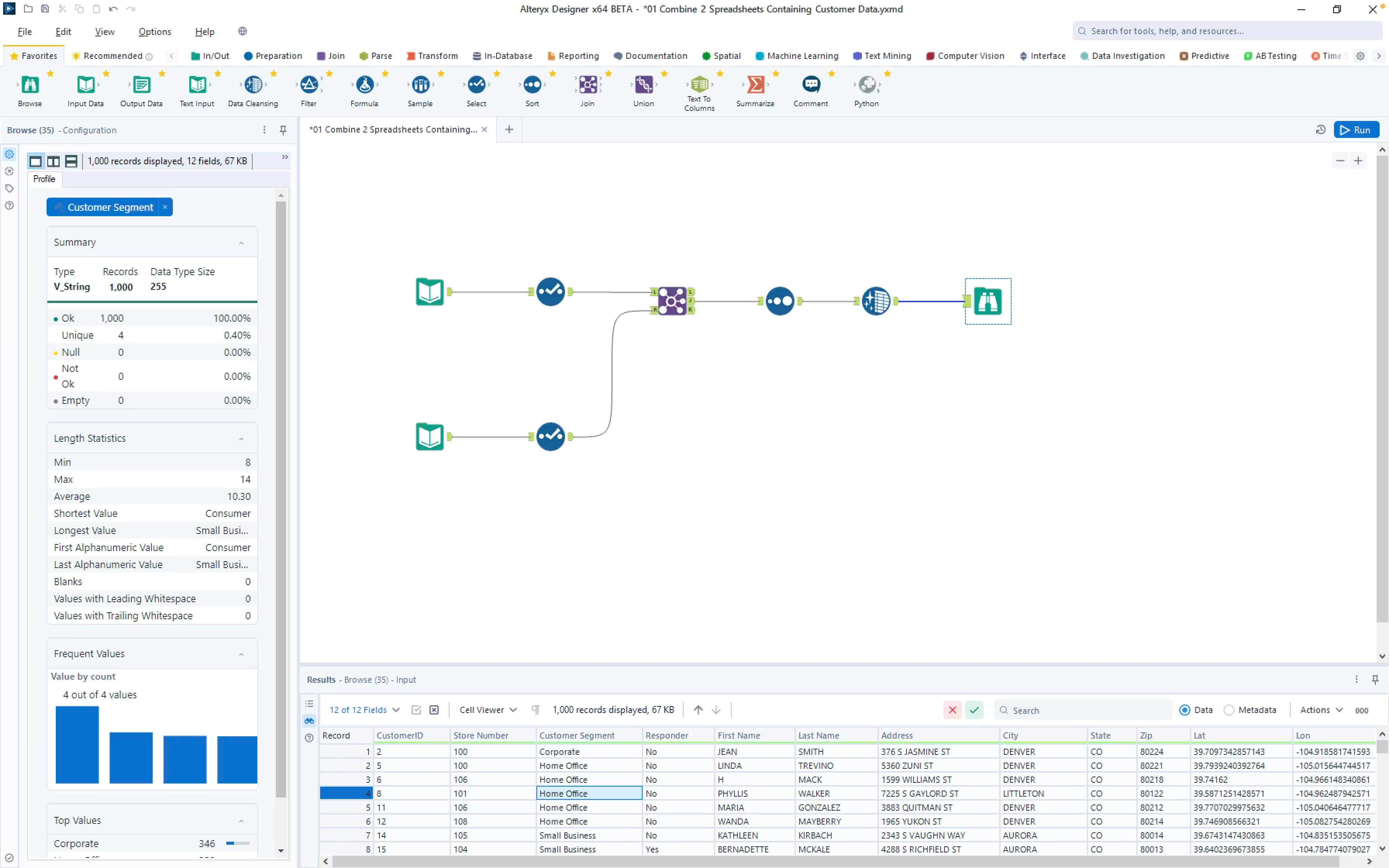
Alteryx Analytics cloud has a few cloud apps sitting on top of a platform, whereas Alteryx Designer is a desktop app for local data processing. Legacy customers on Designer don’t know how to use cloud, and new cloud users don’t take advantage of the power of Designer.
The vision

One app to rule them all.

The business directive is to have one desktop application to contain all apps and shared platform features.

The design challenge

How to structure this app to host all existing highly disparated features?

At its core, this is an IA problem. A well designed IA should meet users’ natural workflow.

The research and insights

We learned that users think in terms of files, not apps. Thus the new IA should make

I dug into the past research and constructed job-to-be-done mapping that reflects how users work with Alteryx offerings to accomplish their data jobs.

Key solution #1

“Projects” to empower users to keep files of the same data task organized.

The long-term north star design vision introduces a new concept called “Projects”. Each project contains any number of file of any type that fulfills the same data job, along side with all the datasets used for this job. This is grounded in the insight that users rely on multiple different types of files for one data task.

Key solution #2

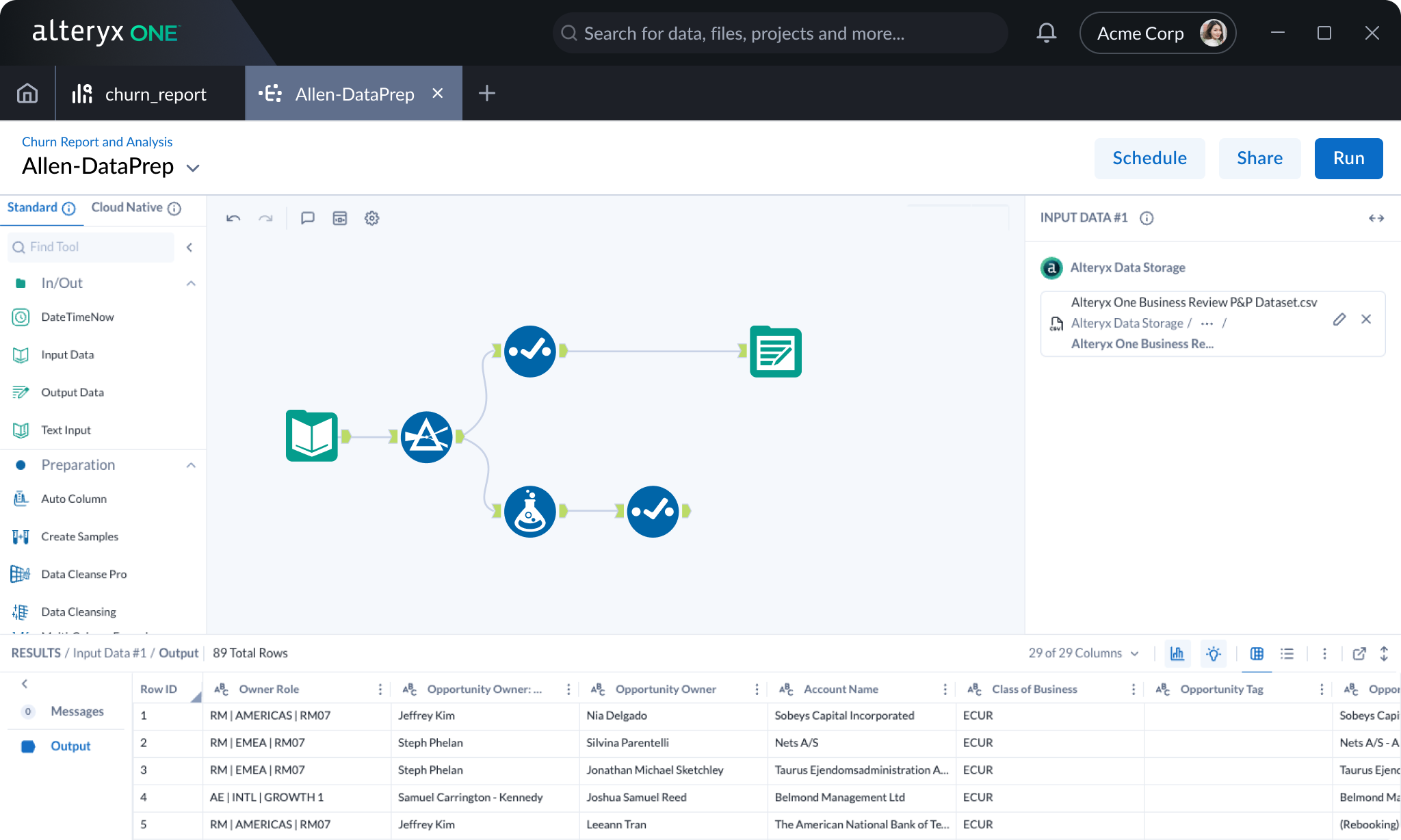
Using tabs for opened files, and consolidate file organization and platform features

Inspired by Figma, Alteryx One users have a similar workflow. They need a place to create and retrieve files, but they spend most of the time in different files. In addition, Alteryx One users need easy access to platform features. Platform features and file browsing are grouped into the same space, since they are both in support of non-editing tasks.

Testing & iteration

We learned that users think in terms of files, not apps. Thus the new IA should make

I dug into the past research and constructed job-to-be-done mapping that reflects how users work with Alteryx offerings to accomplish their data jobs.

Scale back to MVP without side stepping

We learned that users think in terms of files, not apps. Thus the new IA should make

I dug into the past research and constructed job-to-be-done mapping that reflects how users work with Alteryx offerings to accomplish their data jobs.

Scale back to MVP without side stepping

We learned that users think in terms of files, not apps. Thus the new IA should make

I dug into the past research and constructed job-to-be-done mapping that reflects how users work with Alteryx offerings to accomplish their data jobs.

Alteryx One, re-architect a hybrid platform for data analysts

Zero-to-one information architecture design to overhaul the navigational framework of a hybrid platform for data cleaning and analytics.

Alteryx provides enterprise tools for business analysts to automate data preparation and analysis without code. Over decades, Alteryx accumulated fragmented tools that don’t share the same mental model and operate in different ecosystems. Alteryx One emerged as the business strategy to consolidate all offerings into a holistic experience to improve adoption. This project is to design the new consolidated experience from zero to one.

My role

Team Lead, Architect

Worked with

2 designers, 1 researcher, 1 PM director & 2 tech leads

Time

6 months, 2025

The problem

Fragmented tools in different ecosystem result in poor adoption.

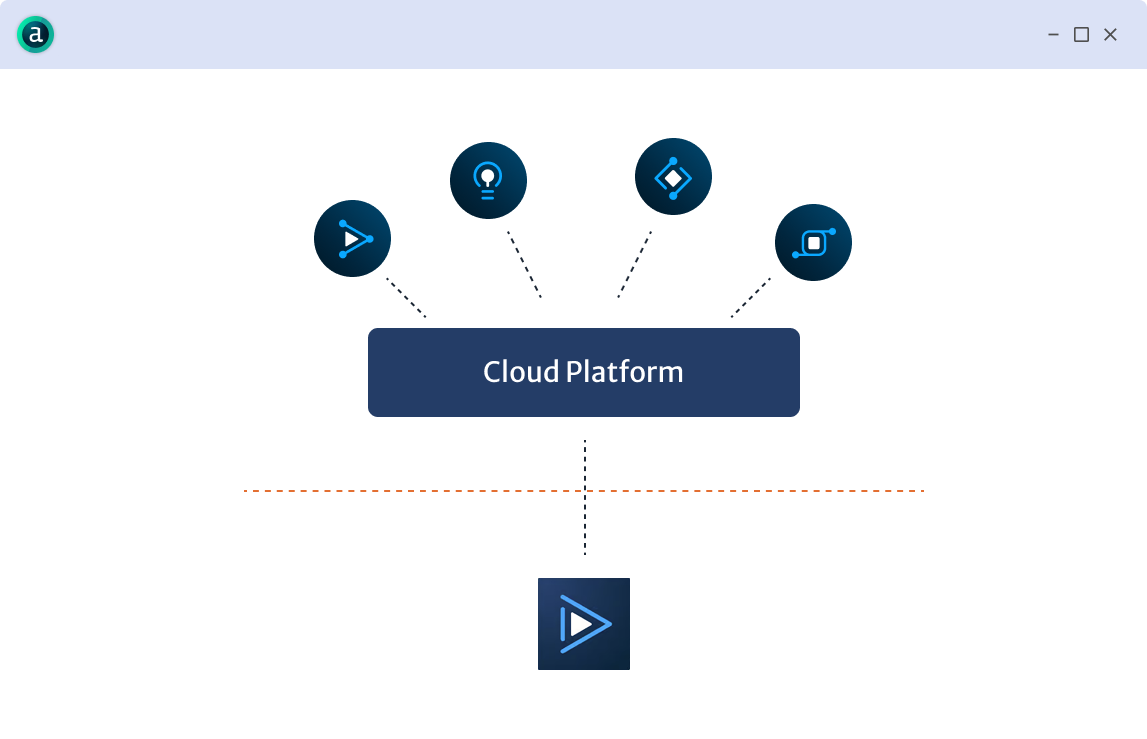
Alteryx Analytics cloud has a few cloud apps sitting on top of a platform, whereas Alteryx Designer is a desktop app for local data processing. Legacy customers on Designer don’t know how to use cloud, and new cloud users don’t take advantage of the power of Designer.
The vision

One app to rule them all.

The business directive is to have one desktop application to contain all apps and shared platform features.

The design challenge

How to structure this app to host all existing highly disparated features?

At its core, this is an IA problem. A well designed IA should meet users’ natural workflow.

The research and insights

We learned that users think in terms of files, not apps. Thus the new IA should make

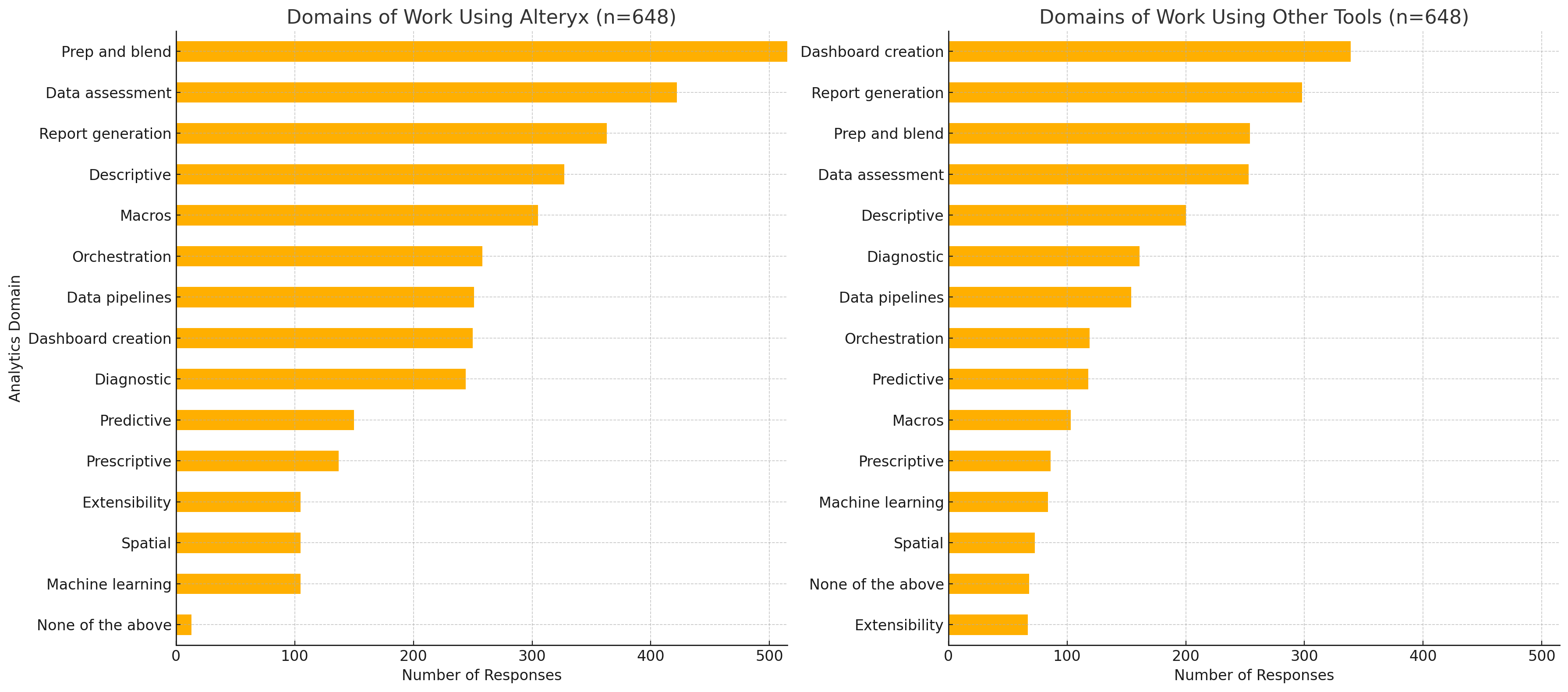
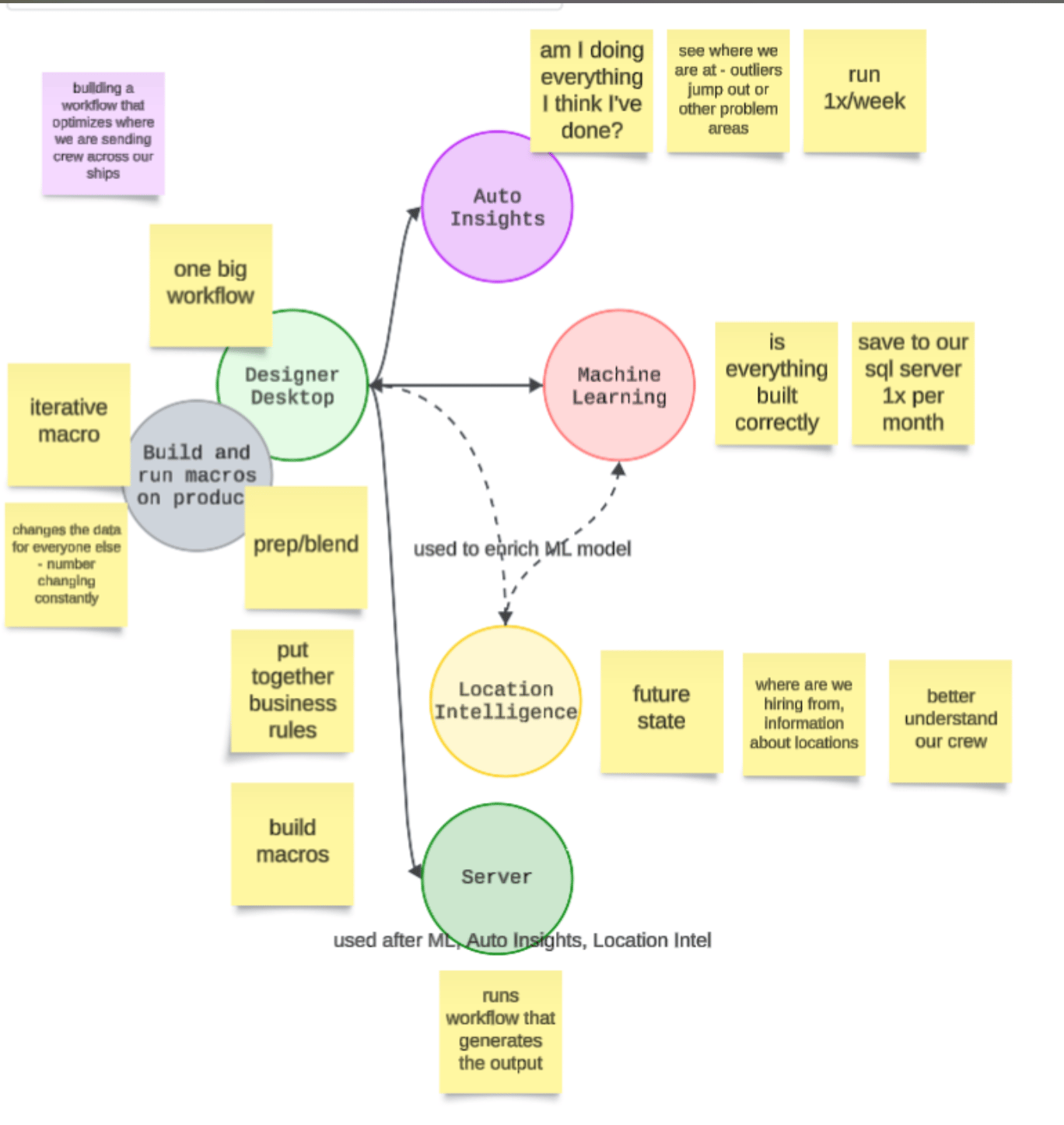
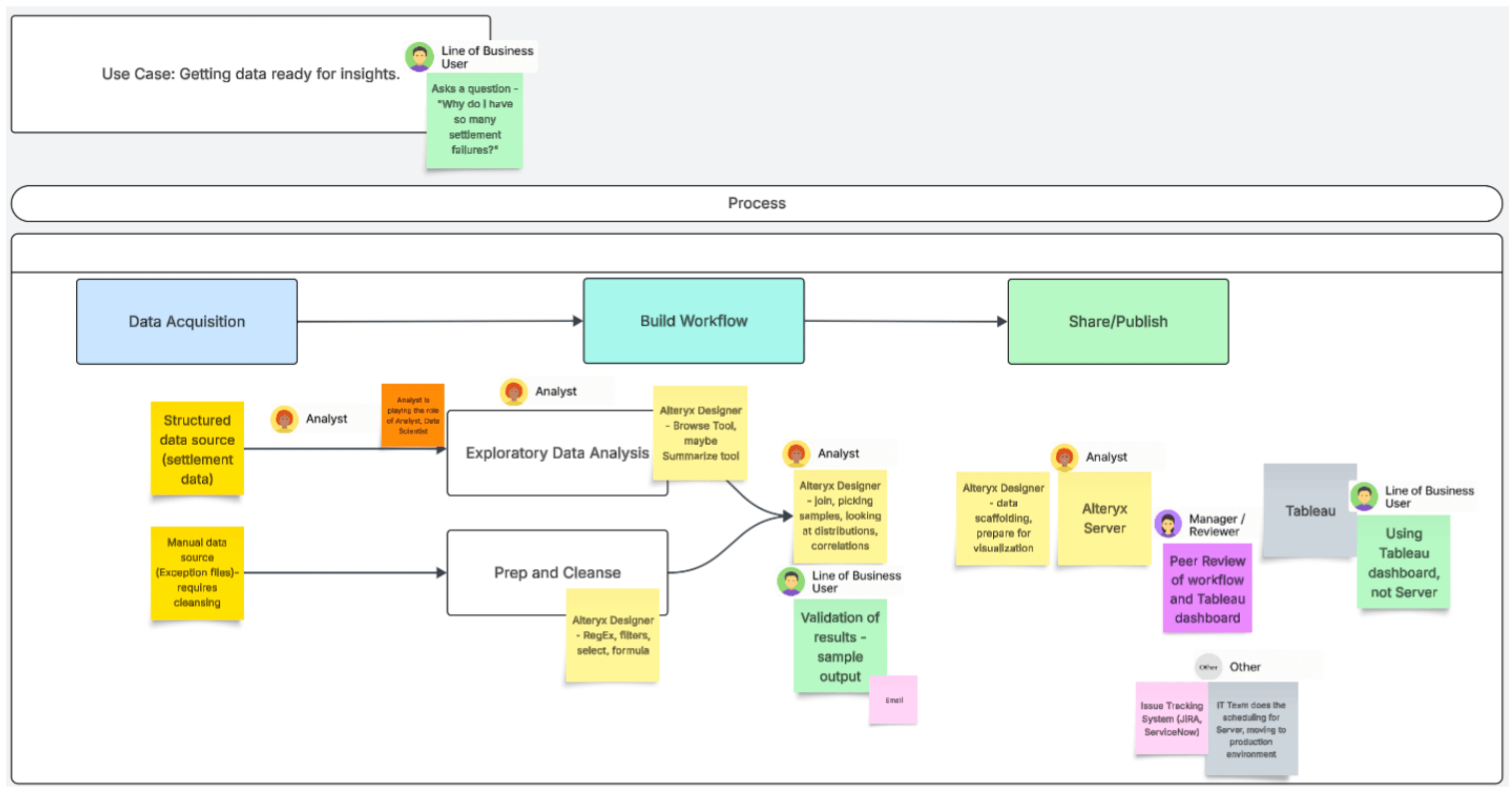
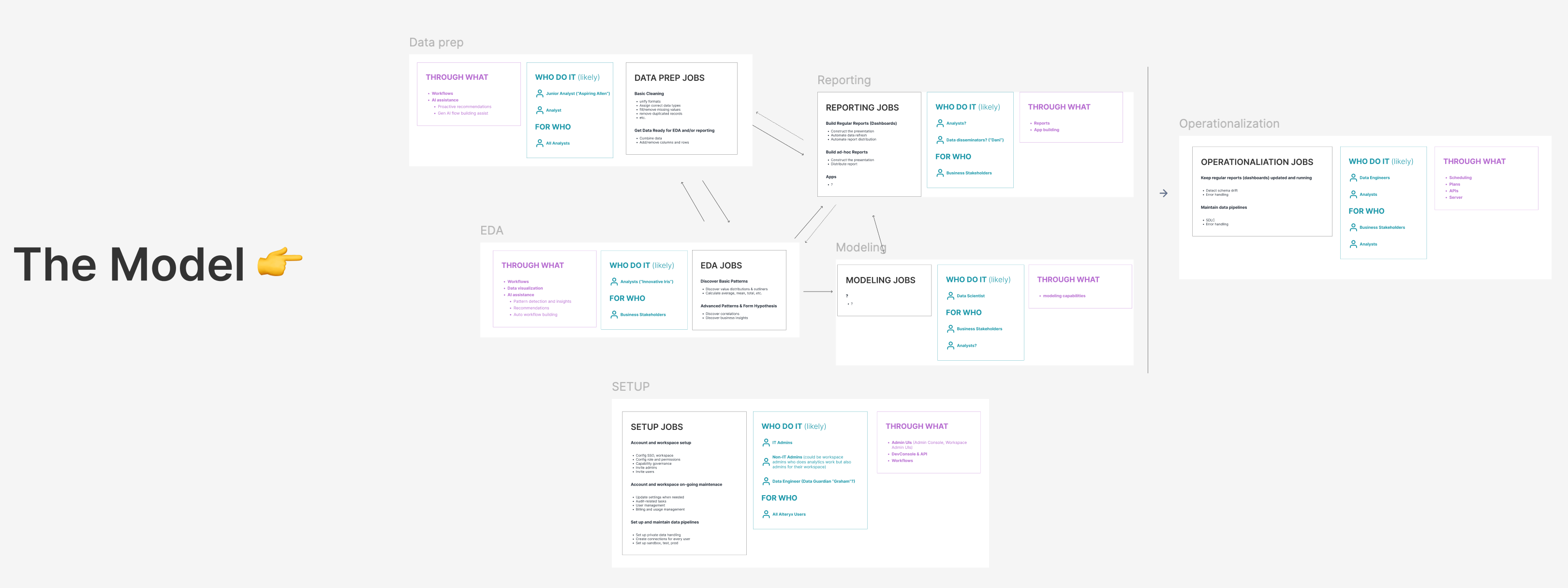
I dug into the past research and constructed job-to-be-done mapping that reflects how users work with Alteryx offerings to accomplish their data jobs.
Key solution #1

“Projects” to empower users to keep files of the same data task organized.

The long-term north star design vision introduces a new concept called “Projects”. Each project contains any number of file of any type that fulfills the same data job, along side with all the datasets used for this job. This is grounded in the insight that users rely on multiple different types of files for one data task.

Key solution #2

Using tabs for opened files, and consolidate file organization and platform features

Inspired by Figma, Alteryx One users have a similar workflow. They need a place to create and retrieve files, but they spend most of the time in different files. In addition, Alteryx One users need easy access to platform features. Platform features and file browsing are grouped into the same space, since they are both in support of non-editing tasks.

Testing & iteration

We learned that users think in terms of files, not apps. Thus the new IA should make

I dug into the past research and constructed job-to-be-done mapping that reflects how users work with Alteryx offerings to accomplish their data jobs.
Scale back to MVP without side stepping

We learned that users think in terms of files, not apps. Thus the new IA should make

I dug into the past research and constructed job-to-be-done mapping that reflects how users work with Alteryx offerings to accomplish their data jobs.
Scale back to MVP without side stepping

We learned that users think in terms of files, not apps. Thus the new IA should make

I dug into the past research and constructed job-to-be-done mapping that reflects how users work with Alteryx offerings to accomplish their data jobs.
© Sarah Chen 2025 All Rights Reserved

Alteryx One, re-architect a hybrid platform for data analysts

Zero-to-one information architecture design to overhaul the navigational framework of a hybrid platform for data cleaning and analytics.

Alteryx provides enterprise tools for business analysts to automate data preparation and analysis without code. Over decades, Alteryx accumulated fragmented tools that don’t share the same mental model and operate in different ecosystems. Alteryx One emerged as the business strategy to consolidate all offerings into a holistic experience to improve adoption. This project is to design the new consolidated experience from zero to one.

My role

Team Lead, Architect

Worked with

2 designers, 1 researcher, 1 PM director & 2 tech leads

Time

6 months, 2025

The problem

Fragmented tools in different ecosystem result in poor adoption.

Alteryx Analytics cloud has a few cloud apps sitting on top of a cloud platform, whereas Alteryx Designer is a desktop app for local data processing. Legacy customers on Designer don’t know how to use cloud, and new cloud users don’t take advantage of the power of Designer.

The vision

One app to rule them all.

The business directive is to have one desktop application to contain all apps and shared platform features.

The design challenge

How to structure this app to host all existing highly disparate features for a very complex and large SaaS data platform?

At its core, this is an IA problem. A well designed IA should meet users’ natural workflow.

The research and insights

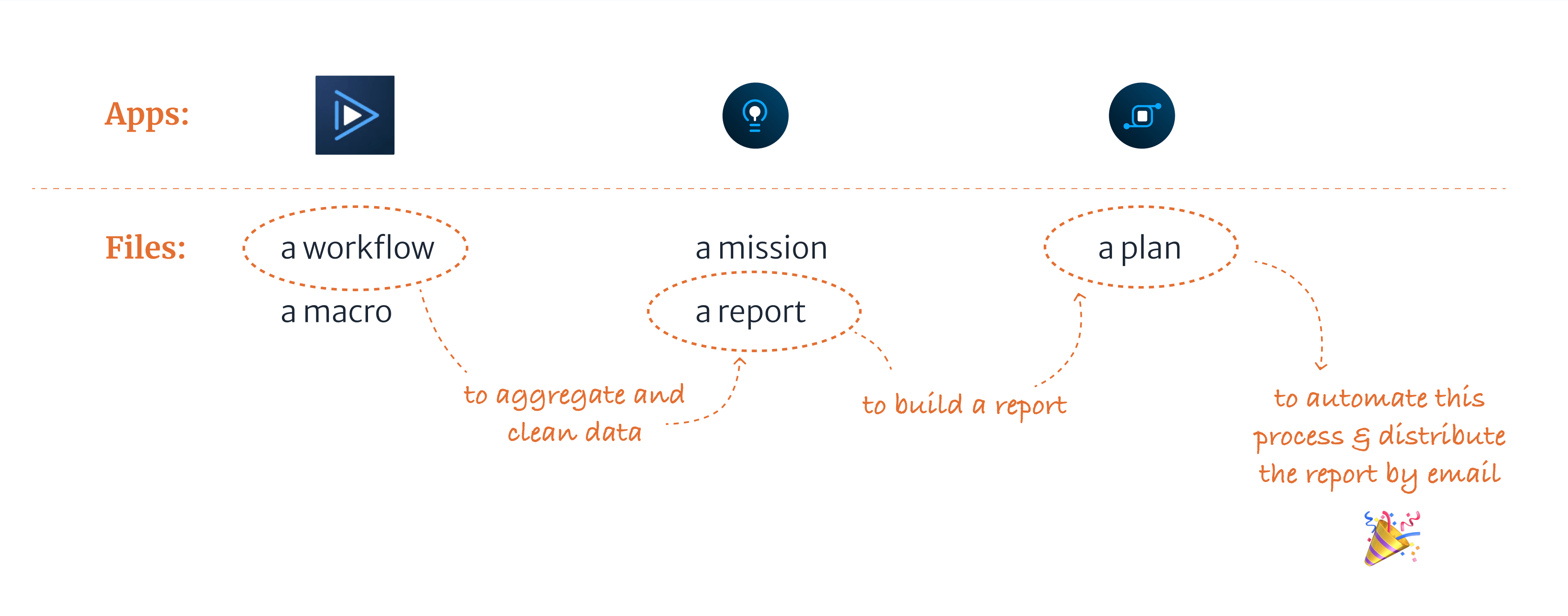
We learned that users think in terms of files, not apps. Thus the new IA should make file organization and navigation efficient, and follow user’s natural work process.

I dug into the past research and constructed job-to-be-done mapping that reflects how users work with Alteryx offerings to accomplish their data jobs.

Key solution #1

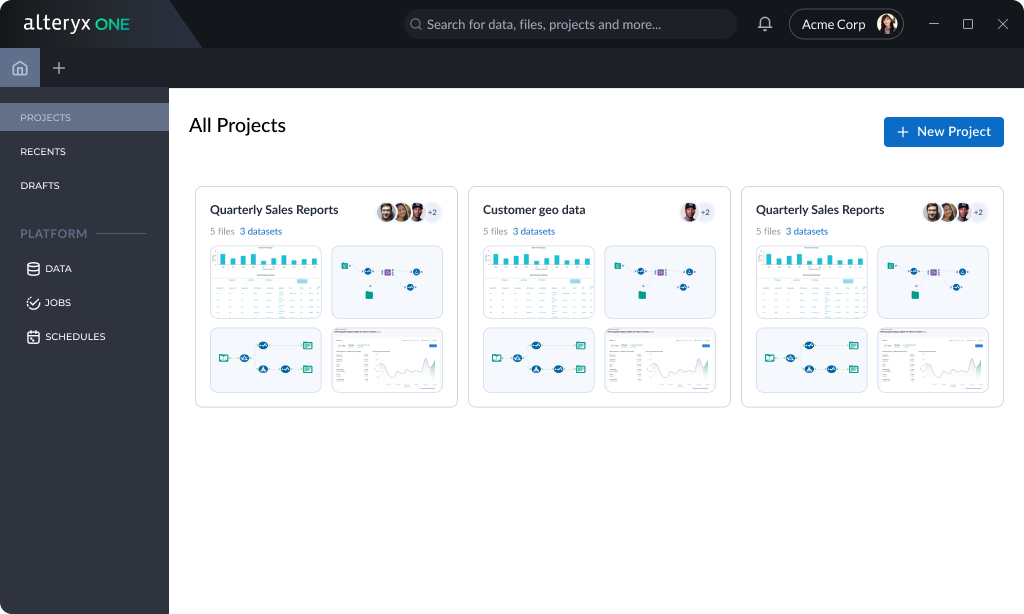
“Projects” to empower users to keep files of the same data task organized.

The long-term north star design vision introduces a new concept called “Projects”. Each project contains any number of file of any type that fulfills the same data job, along side with all the datasets used for this job. This is grounded in the insight that users rely on multiple different types of files for one data task.
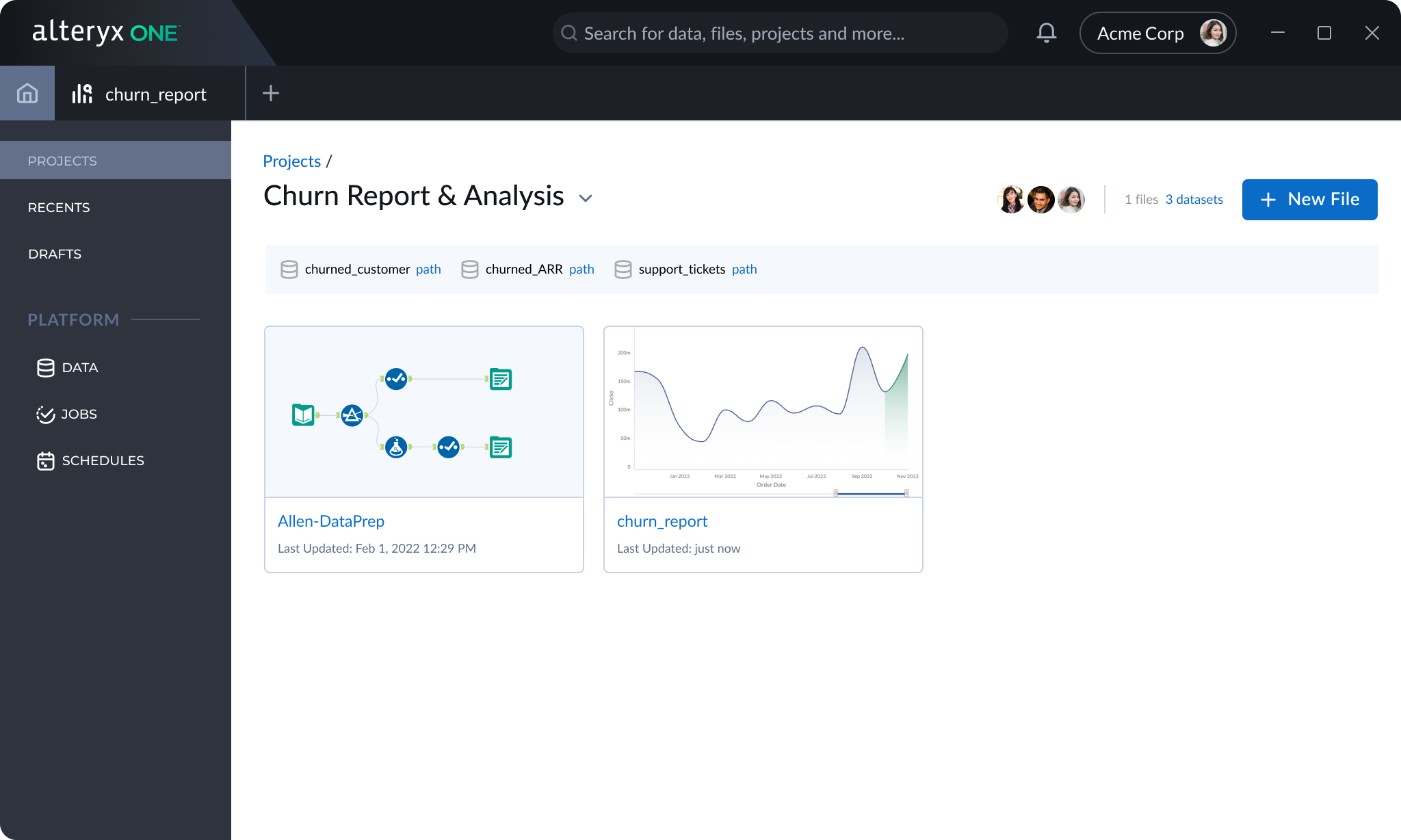
Key solution #2

Using tabs for opened files, and consolidate file organization and platform features

Inspired by Figma, Alteryx One users have a similar workflow. They need a place to create and retrieve files, but they spend most of the time in different files. In addition, Alteryx One users need easy access to platform features. Platform features and file browsing are grouped into the same space, since they are both in support of non-editing tasks.

Testing & iteration

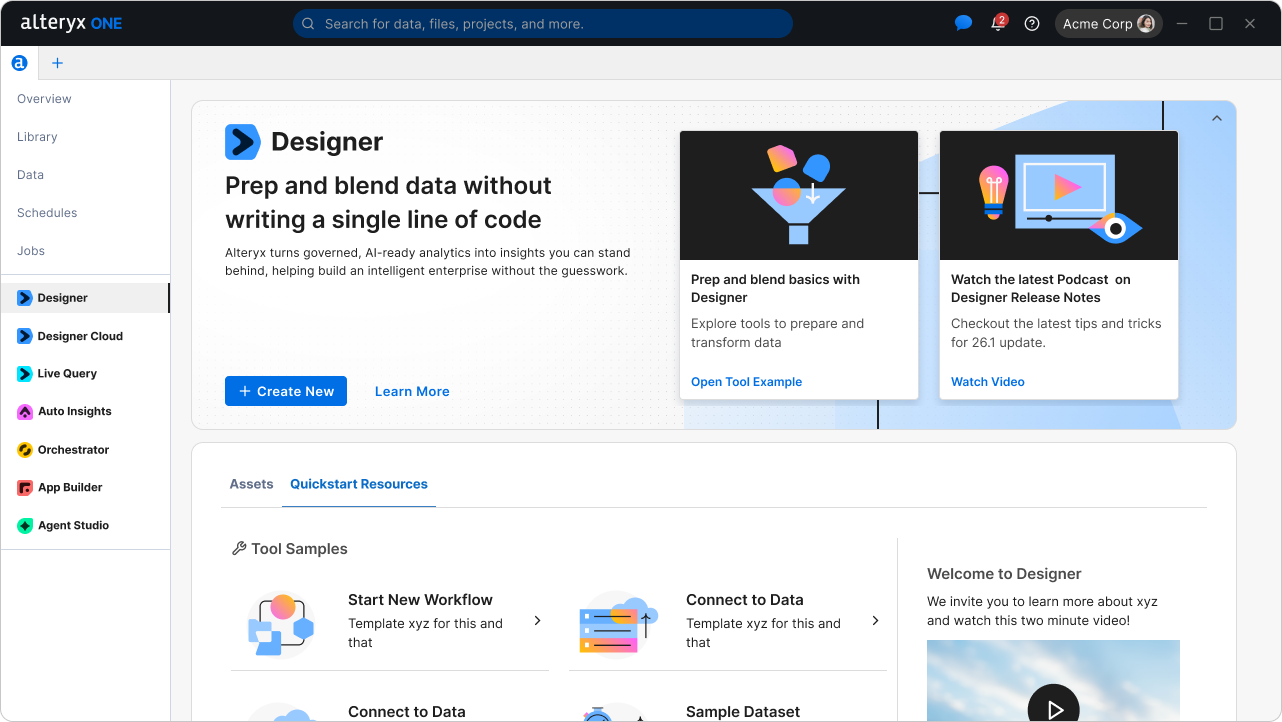
Based on multiple rounds of testing, we added “overview” page based on the user need of multi-purposed starting point.

Overview page would serve as the starting point for multiple user intentions - quick start of a new file or data connection, getting orientation on what file types are available and why, resume recent work, and monitoring automated job runs.

Scale back to MVP without side stepping

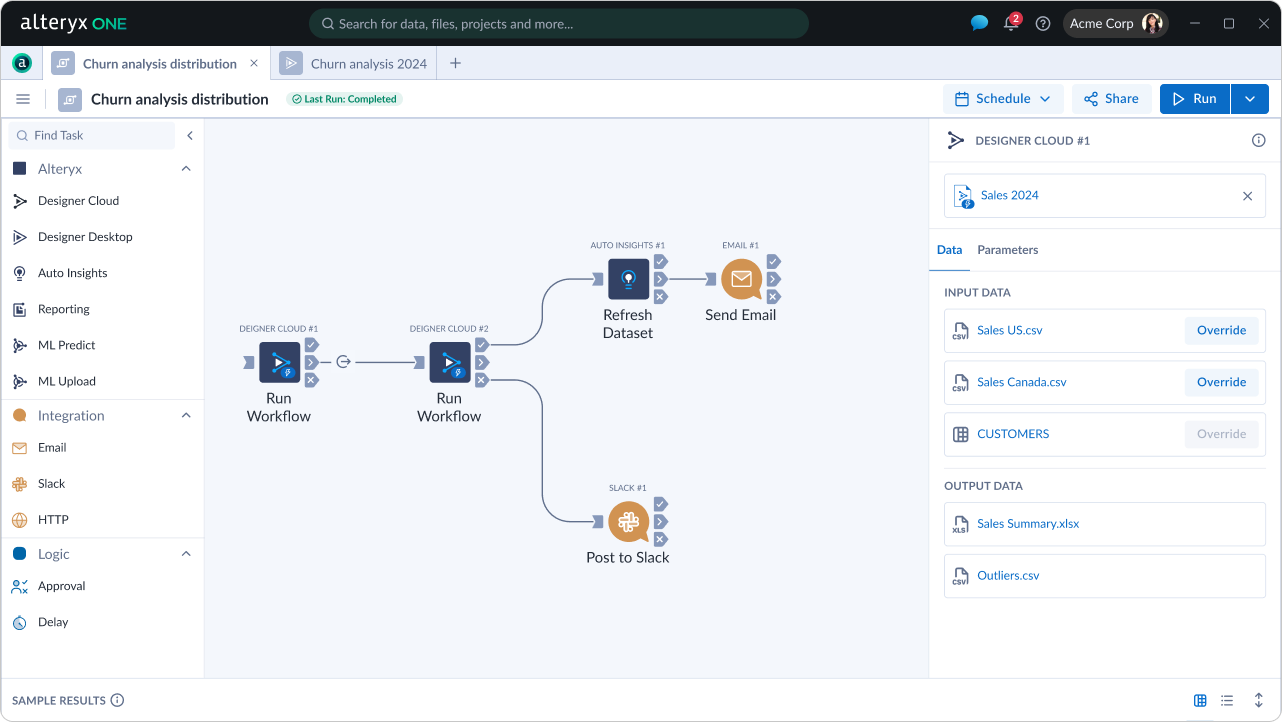
To descope without side stepping, apps were introduced back as filters for files, not as separate apps to launch.

While stakeholders were positive about the direction, quicker time to market business need demands descope. Project concept is scoped for later, but a file-centric model remained. Without projects, apps were still good as file grouping mechanism.

Outcome & impact

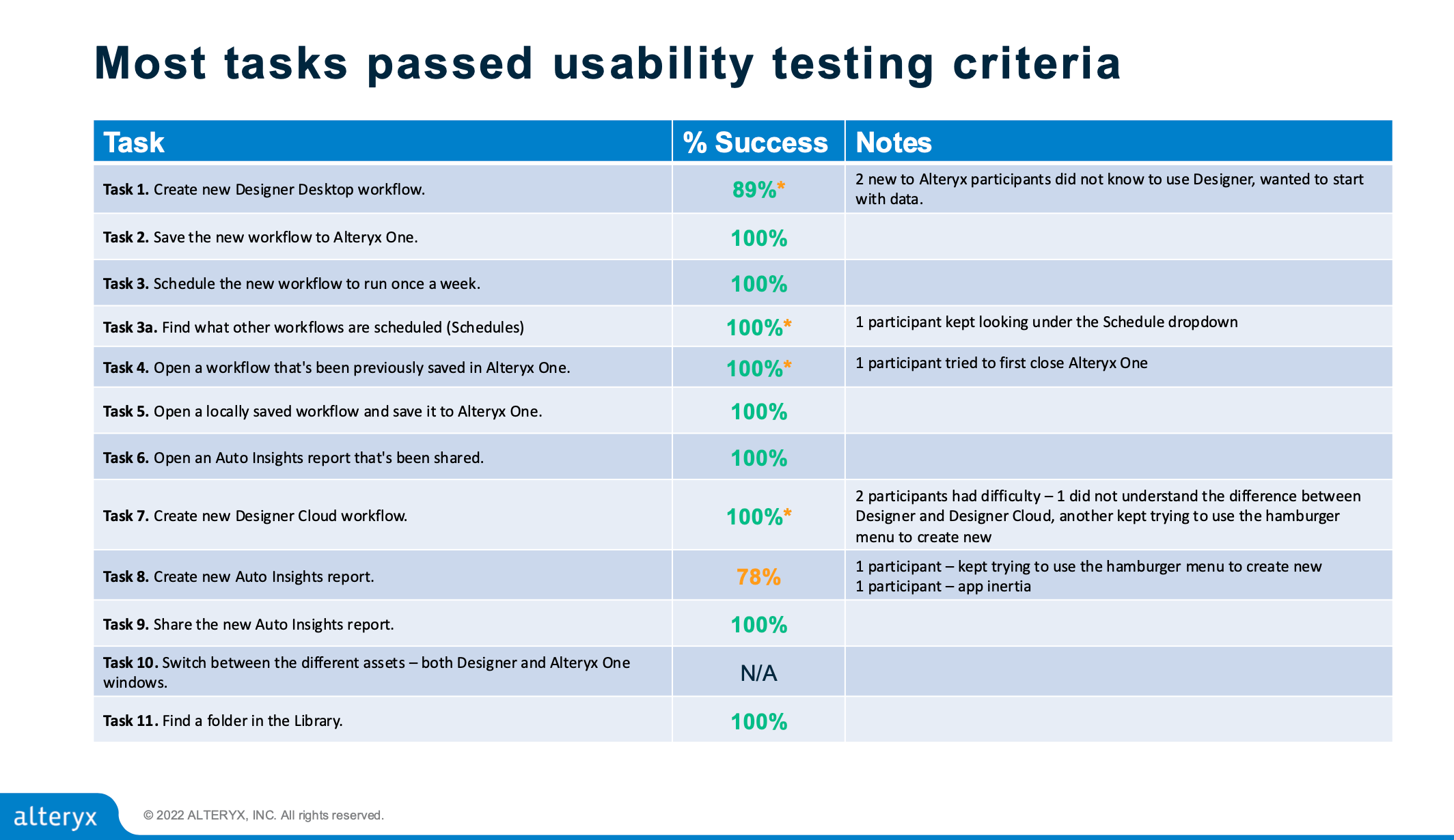
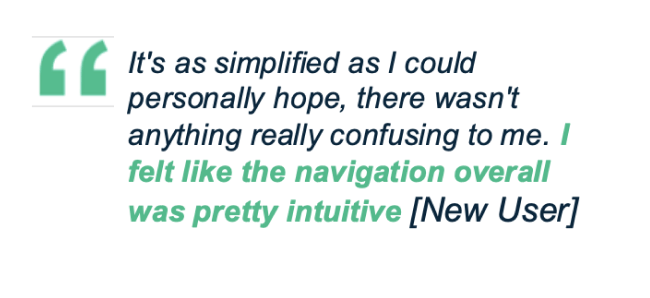
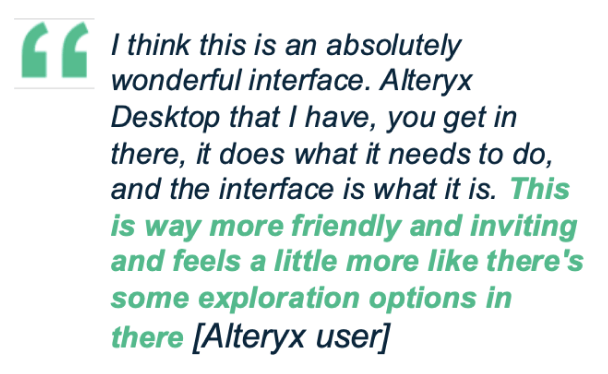
Users loved it, as reflected in 97% task success rate, and numerous positive comments directly speaking to the design intent and goals.

New users see it as simplified, intuitive, and existing Designer users feel it is inviting for them to explore more features. These directly speak to the adoption goal we set out to achieve.